
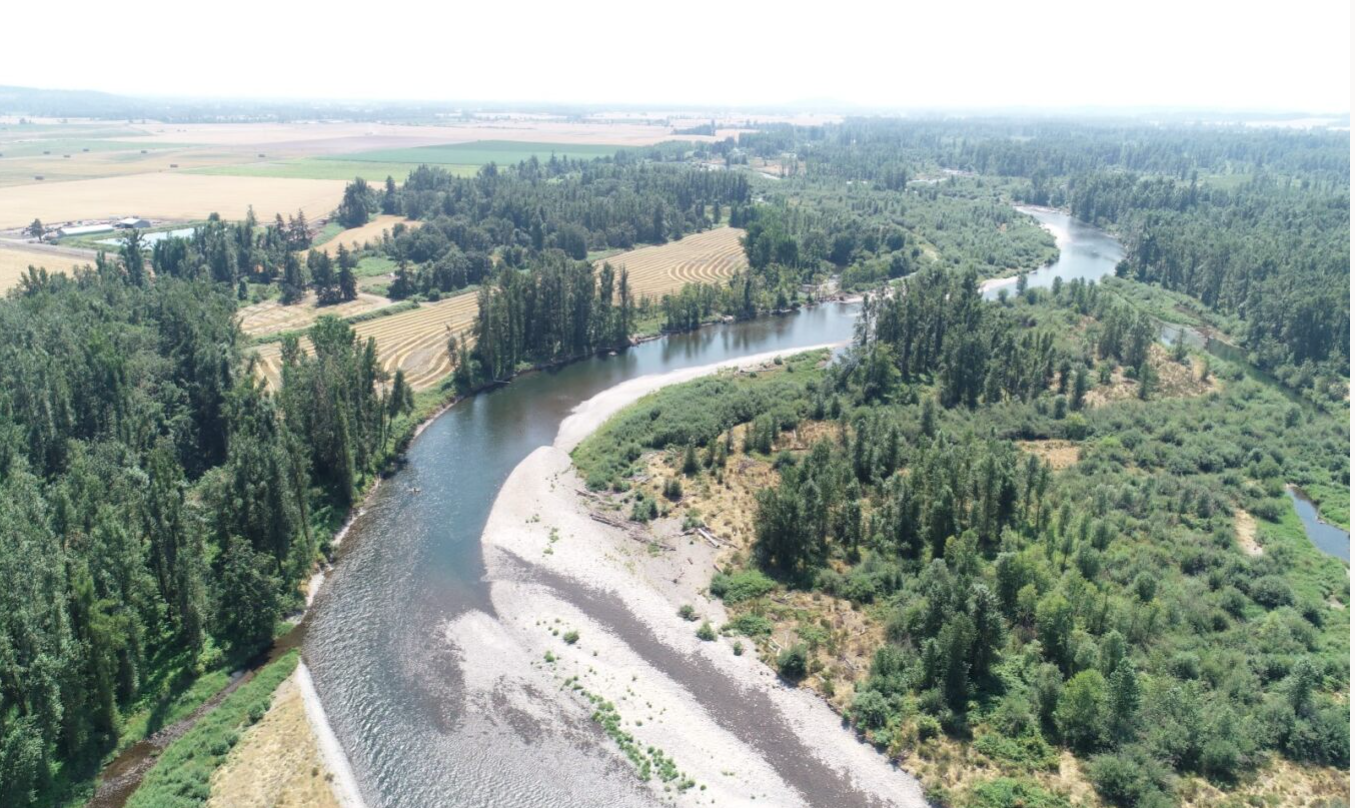
History of stayton
This presentation focuses on the development of Stayton’s downtown… from Drury Stayton’s canal and water powered industries to the businesses and buildings that continue to shape our community today.
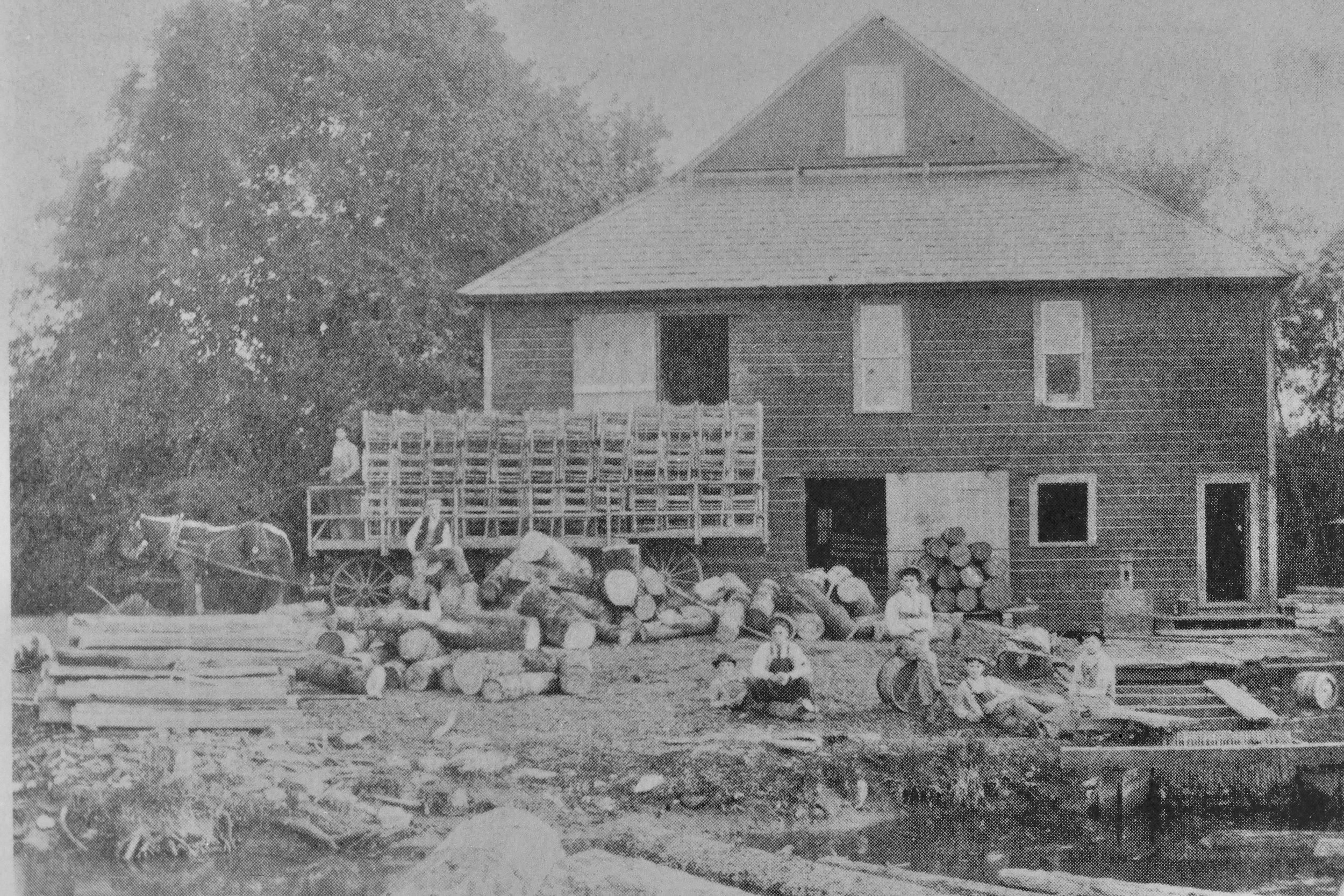
Early chair factory powered by the Santiam system.
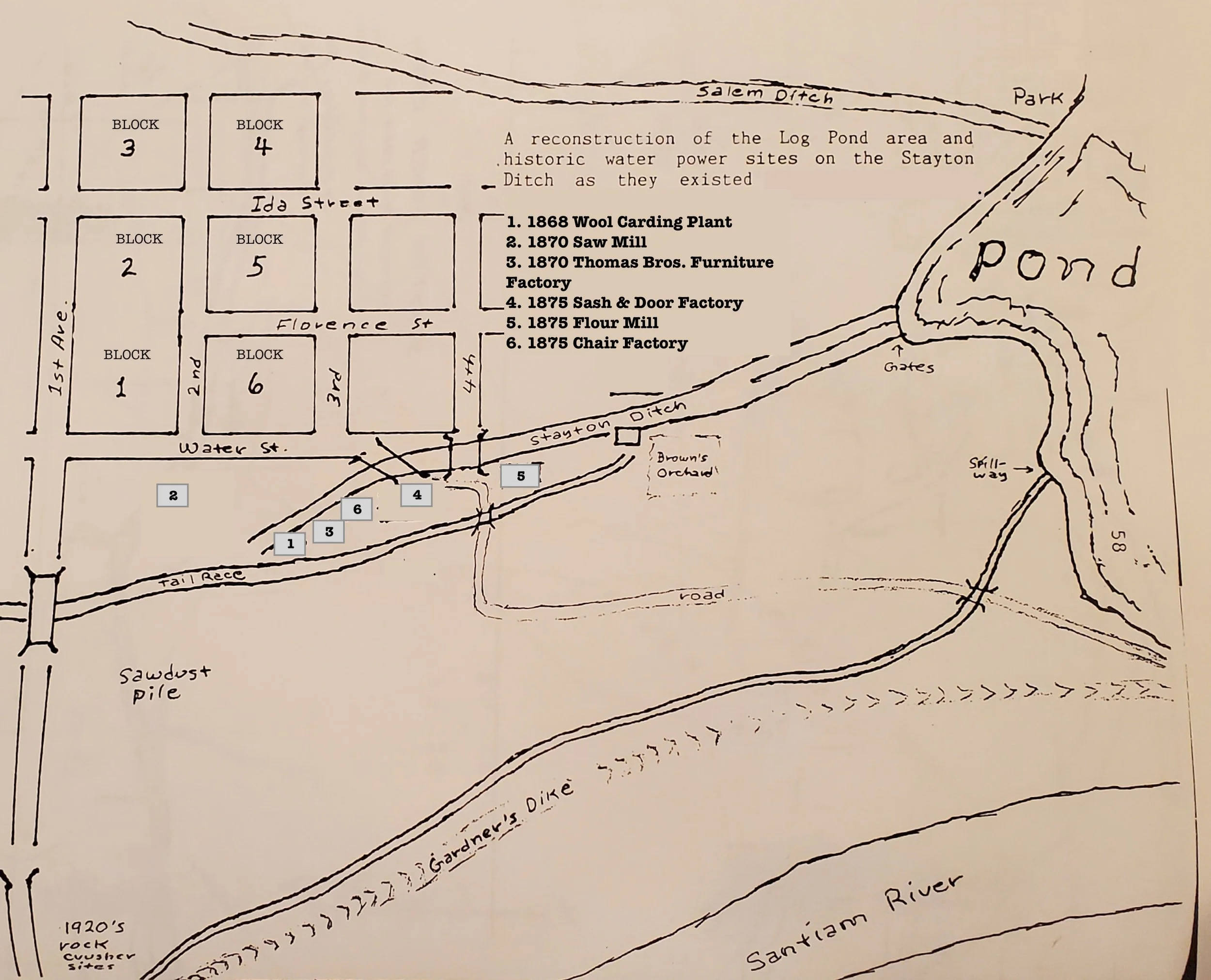
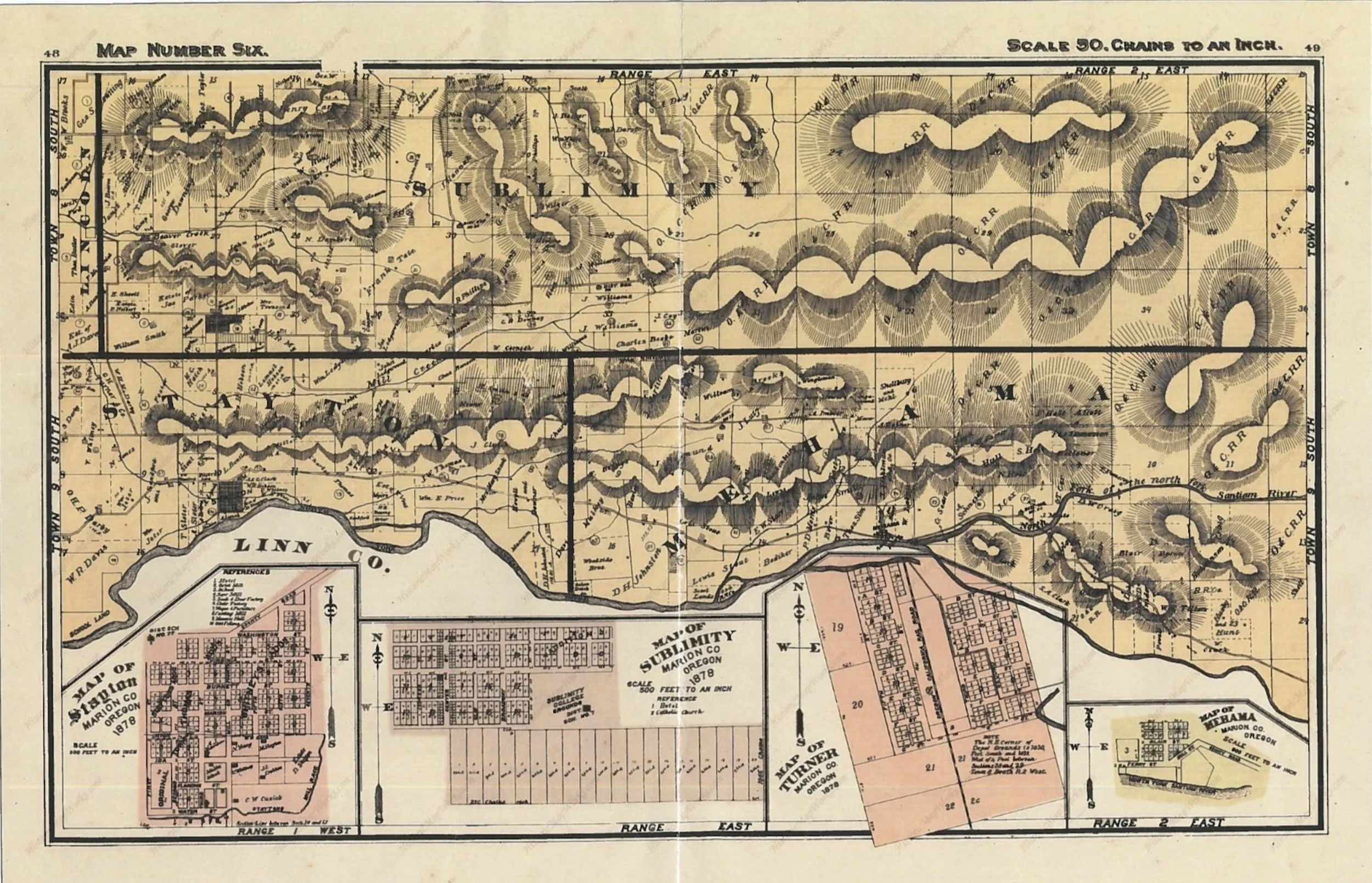
Map showing the first water-powered industries along the Stayton Ditch.
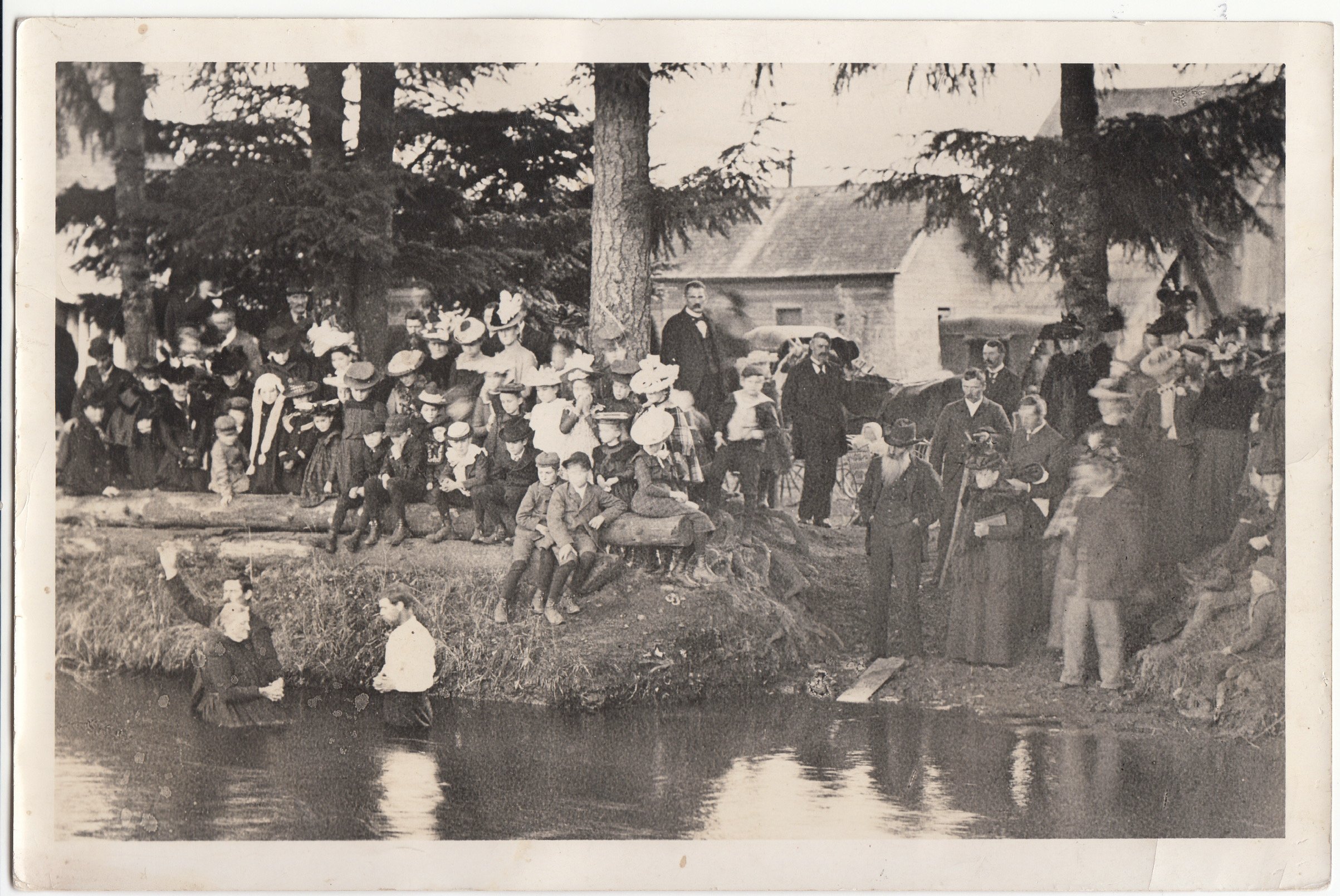
Baptism in the Salem Ditch, with Drury Stayton among those gathered.
A RIVER TOWN IS BUILT
Stayton didn’t begin with a street—it began with power.
In the 1870s, Drury Smith Stayton saw what others often missed: the river was not just a boundary, but an engine. By diverting water through what became the Stayton Ditch—mimicking the earlier model of the Salem Ditch—he created the force that powered the town’s first economy.
Mills came first: lumber, grist, and manufacturing. The town formed around them.
Early Stayton was practical and close to the water. Buildings were wood, placed where they were needed, not where they were planned. The river served everything—industry, transportation, even ceremony. Baptisms took place along its banks. Daily life and spiritual life shared the same ground.
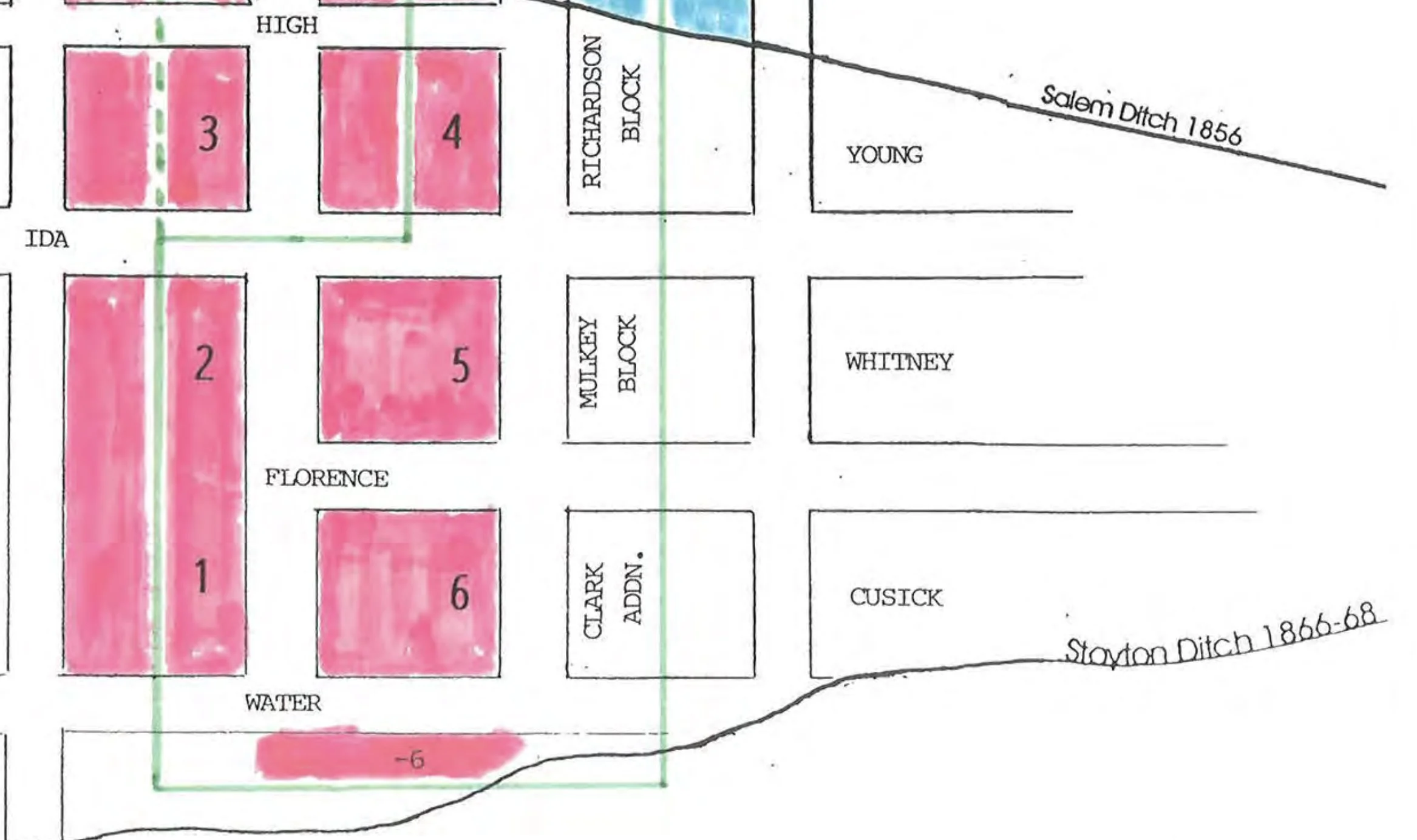
Original plat showing the early street grid that shaped downtown Stayton.
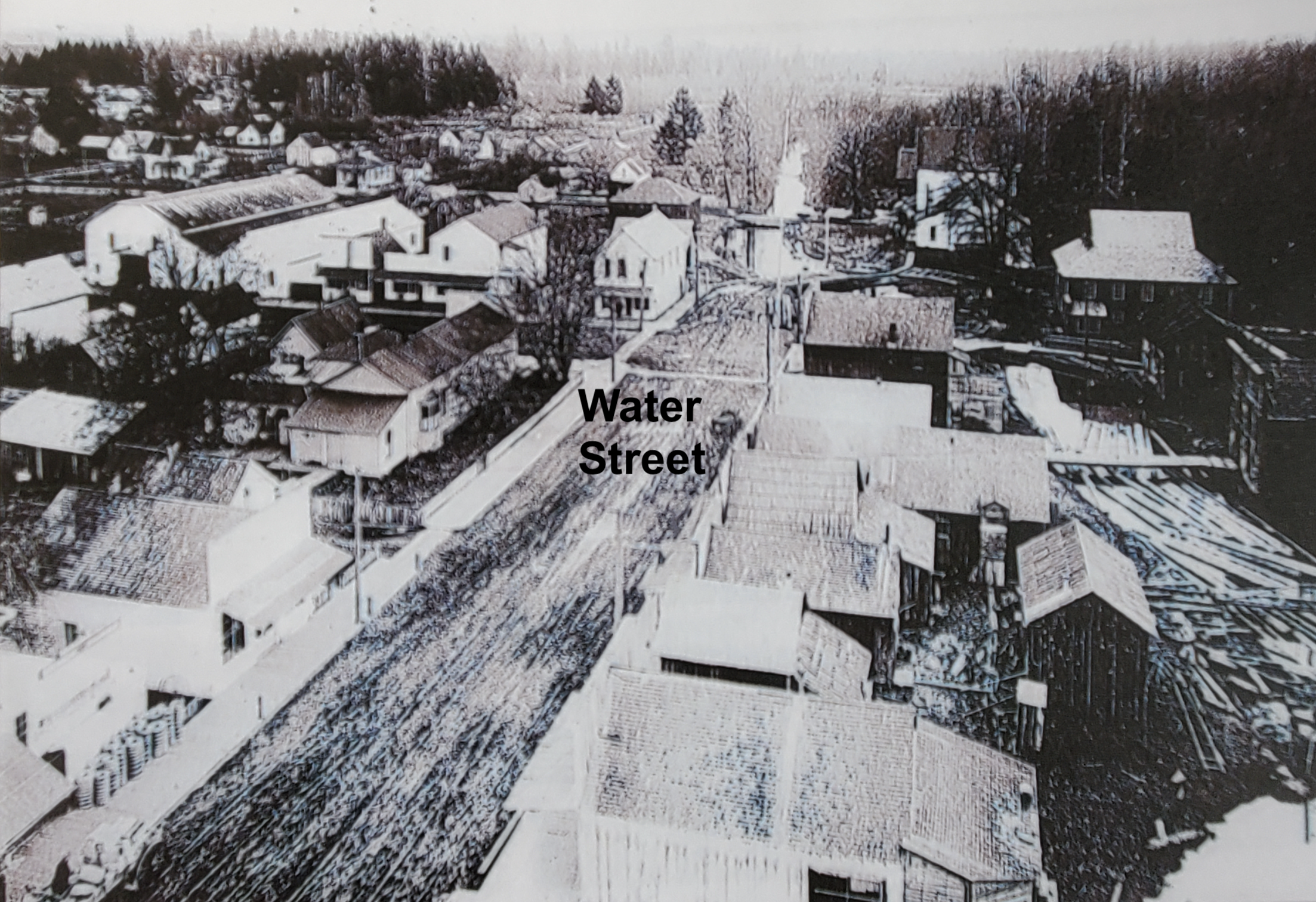
Brown lumber mill along the Stayton Ditch, where industry and town life began side by side.
A TOWN TAKES SHAPE
By the late 1870s, Stayton was beginning to take form. What started as a cluster of businesses along the ditch became an organized town, with a simple grid of streets that still defines downtown today. Early buildings gathered close to the river and to each other – practical, efficient, and tied directly to the industries that powered the town. The layout wasn’t designed for appearance. It was built for work, proximity, and survival – and it has endured.
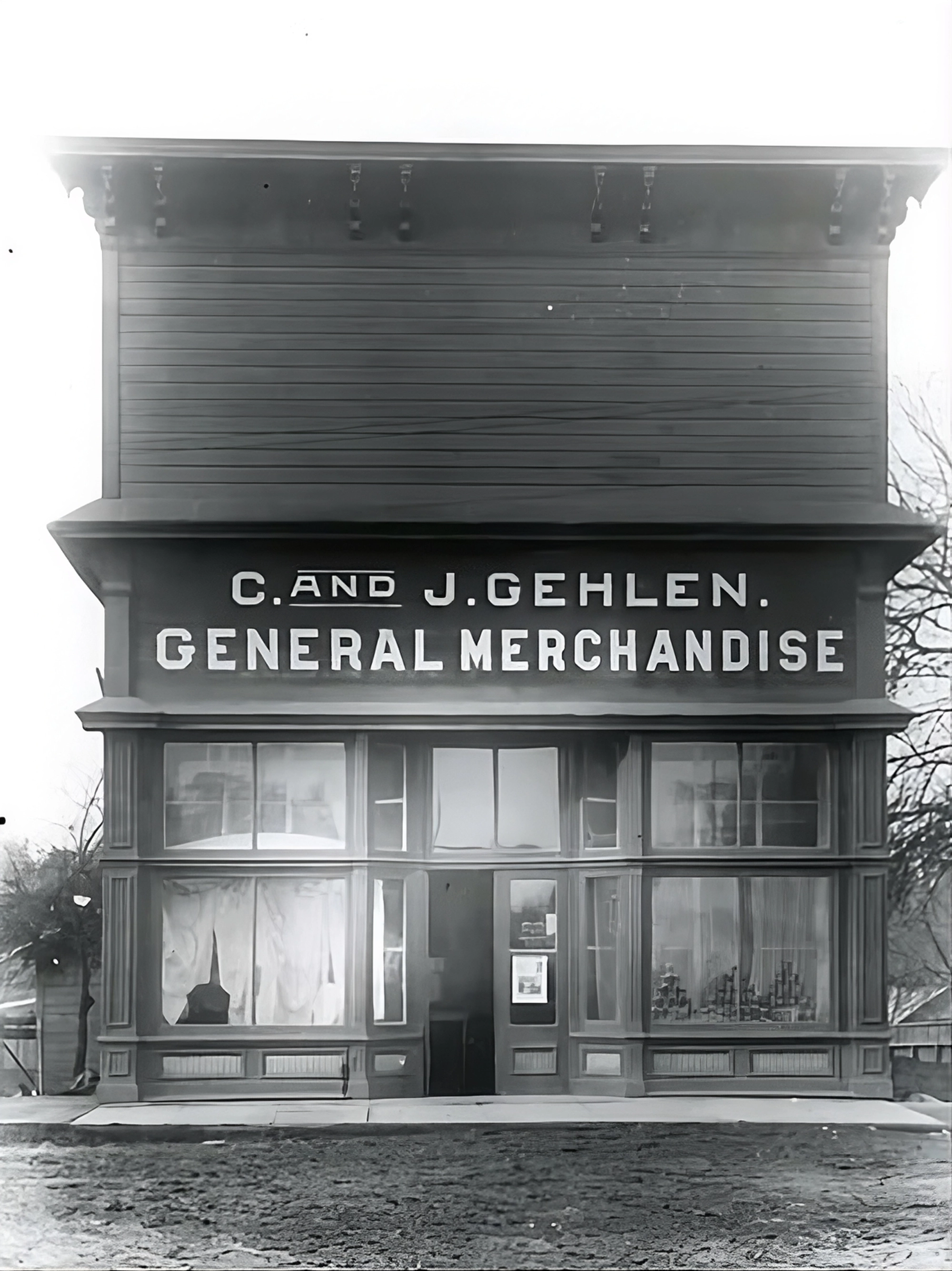
WOOD, WORK, AND EARLY COMMERCE
Before permanence, there was practicality.
The first downtown was made of wood and buildings went up quickly. Hobson’s early mercantile anchored this commercial life, offering everything from fine clothing to daily goods.
The Stayton Hotel followed, giving travelers and workers a place to land. It was more than lodging—it was a social center, where business, news, and community all intersected.
This version of Stayton was busy, adaptable—and vulnerable.
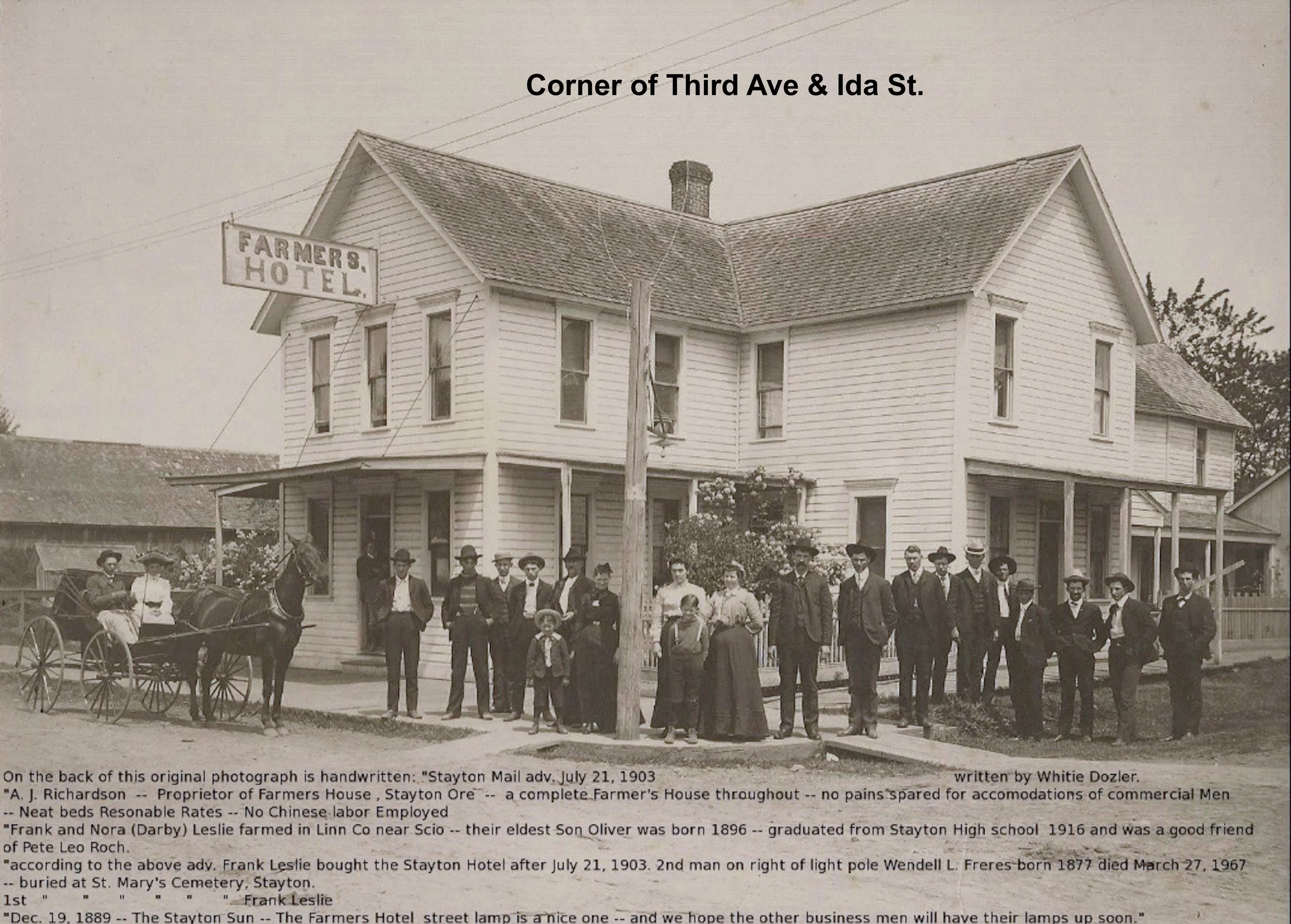
1891: A CITY, OFFICIALLY
Stayton incorporated in 1891. What had been a working settlement became a governed city, with structure, responsibility, and a clearer sense of identity.
FROM WOOD TO PERMANENCE
By the early 1900s, many towns across Oregon were rebuilding after devastating fires - replacing wood with concrete block or brick out of necessity. Stayton’s path was different.
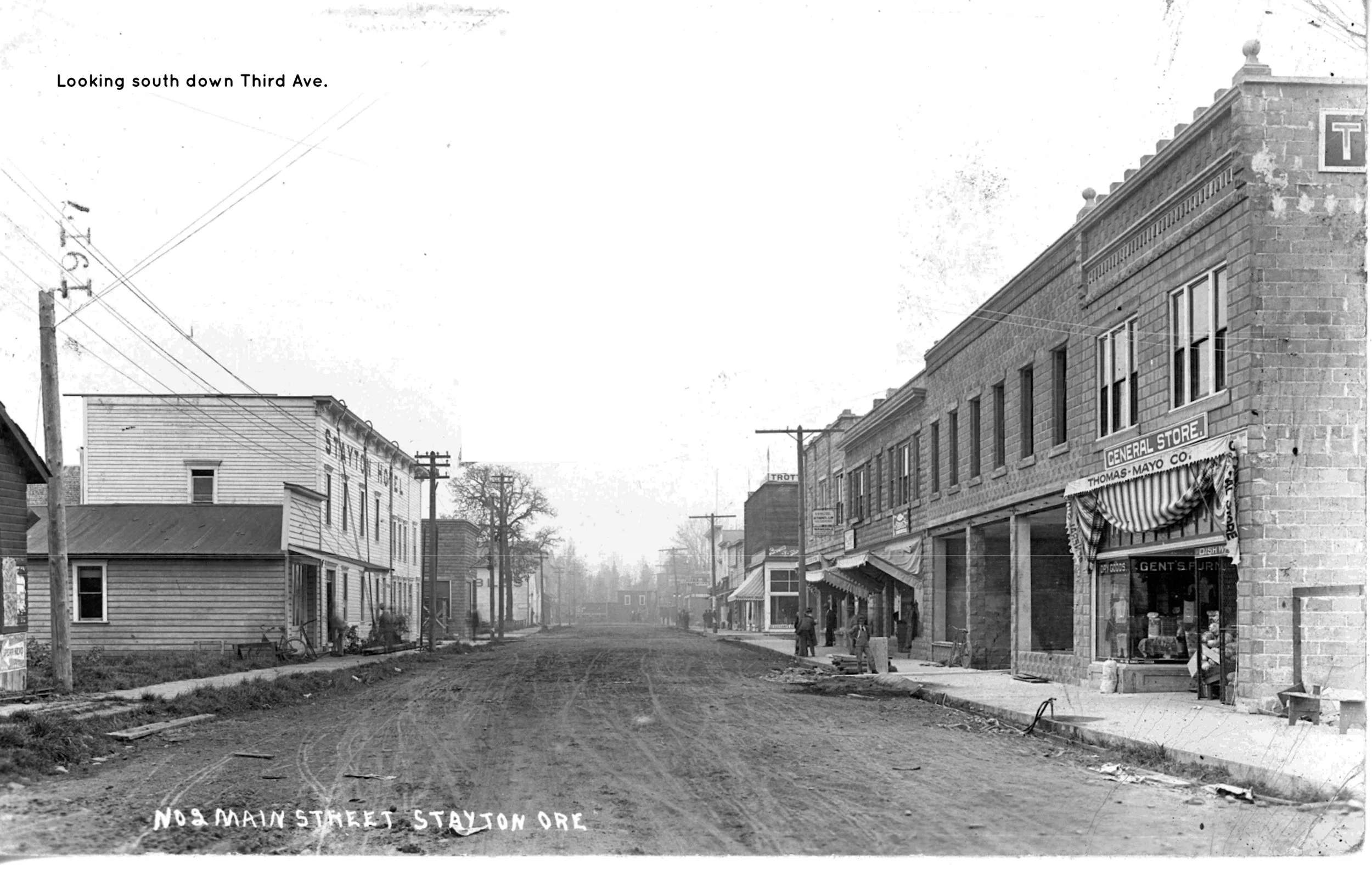
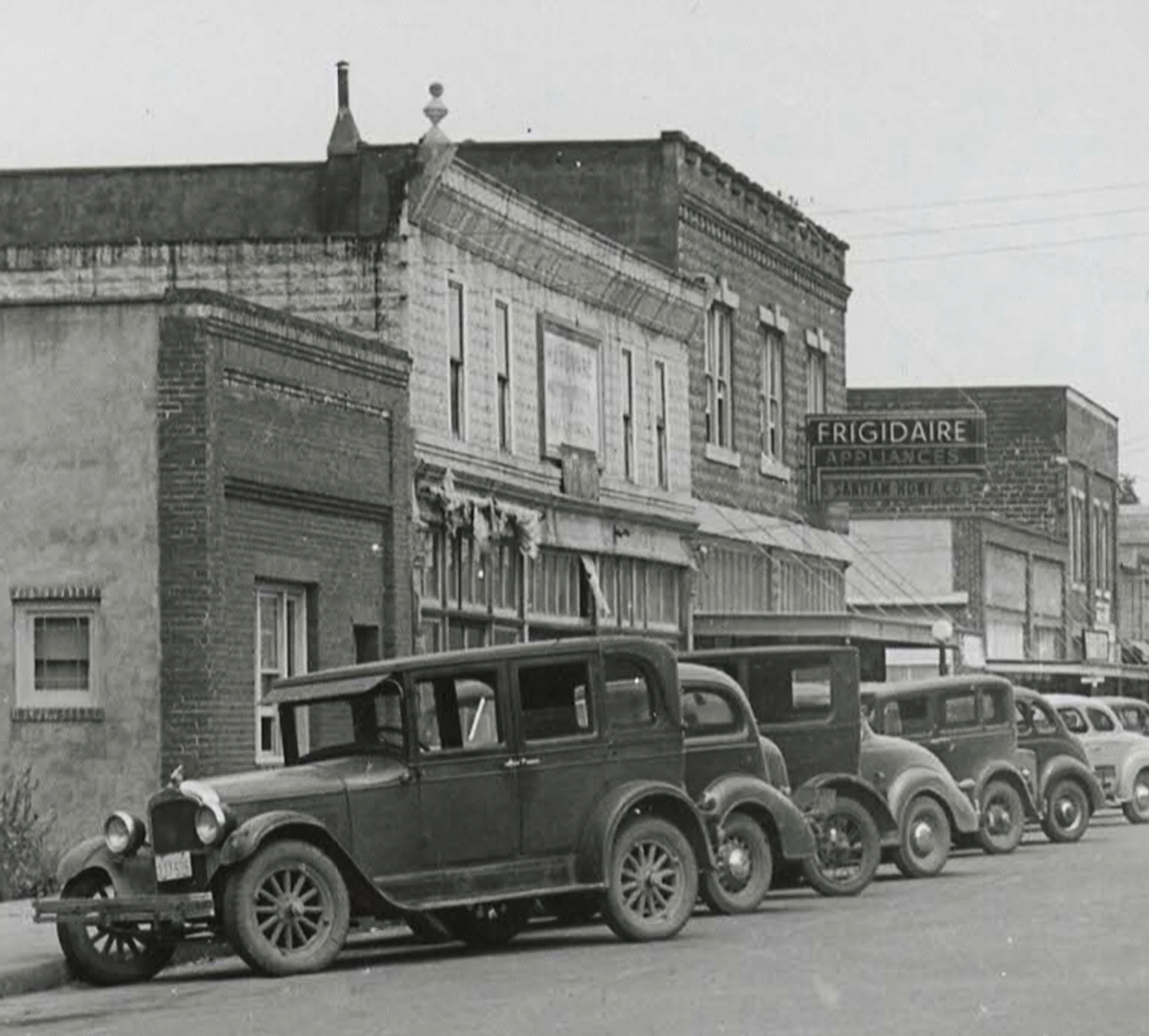
Without a major fire forcing change, the town began building more permanent structures by choice. Concrete block buildings rose along 3rd Avenue offering durability, fire resistance, and a new level of investment in the future of downtown.
Buildings like the Deidrich and the Beauchamp blocks reflected this shift. Designed with storefronts below and living or gathering spaces above, they signaled a more established, confident community.
Stayton wasn't reacting. It was preparing. Fire, risk, and reinvention.
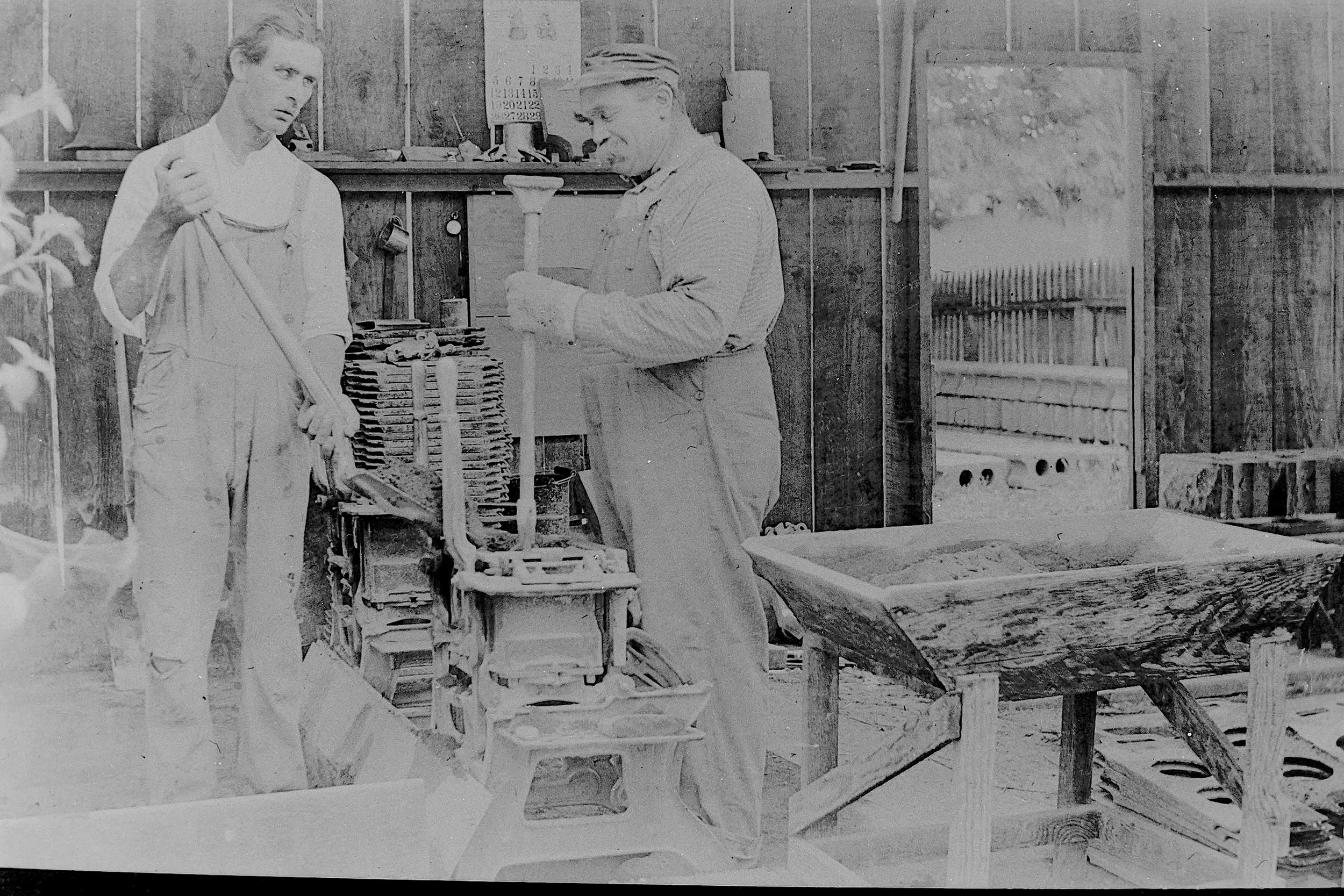
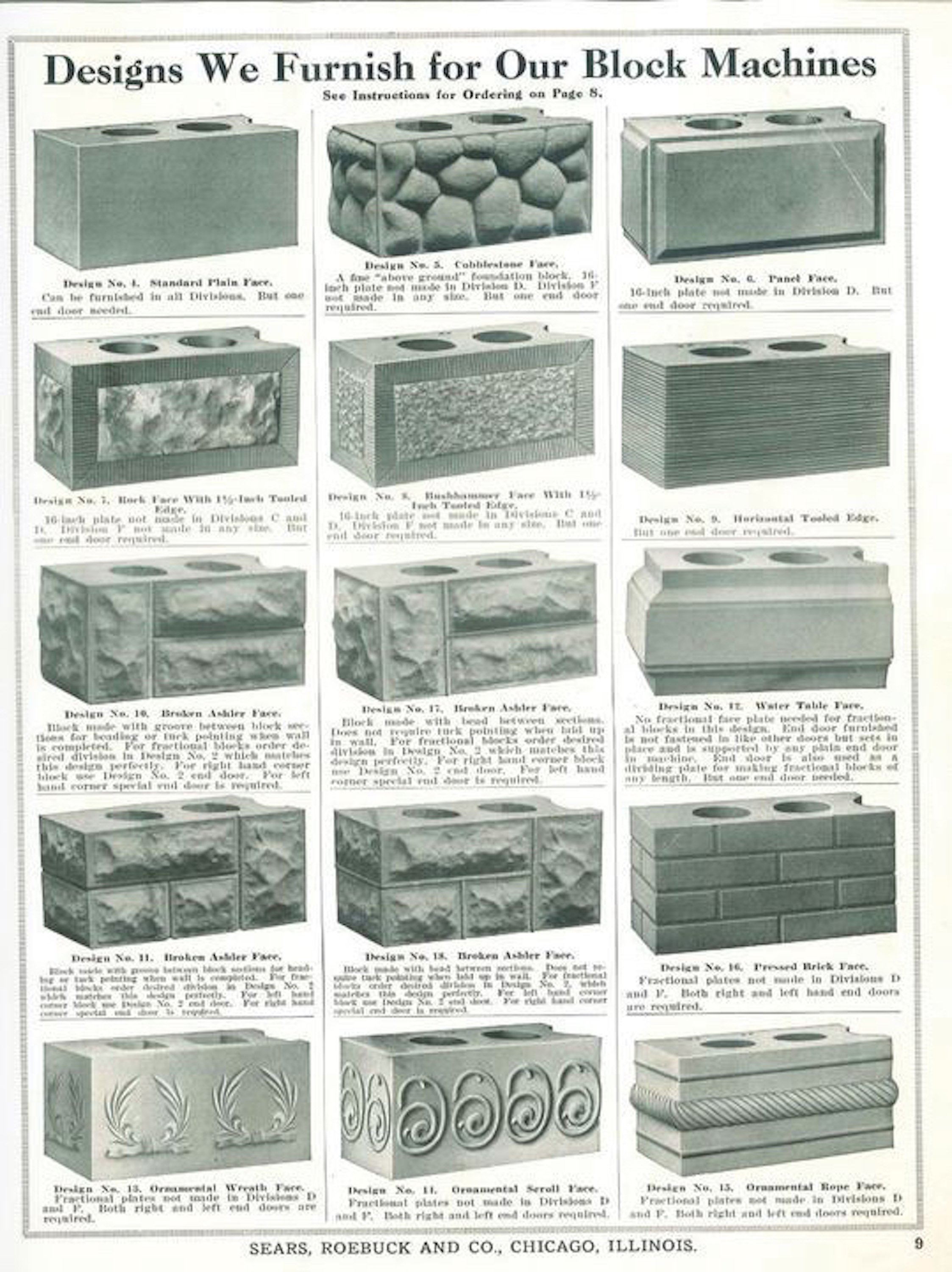
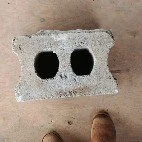
Concrete block buildings rising along 3rd Avenue, reflecting a deliberate move toward a more durable construction
A CHANGING DOWNTOWN
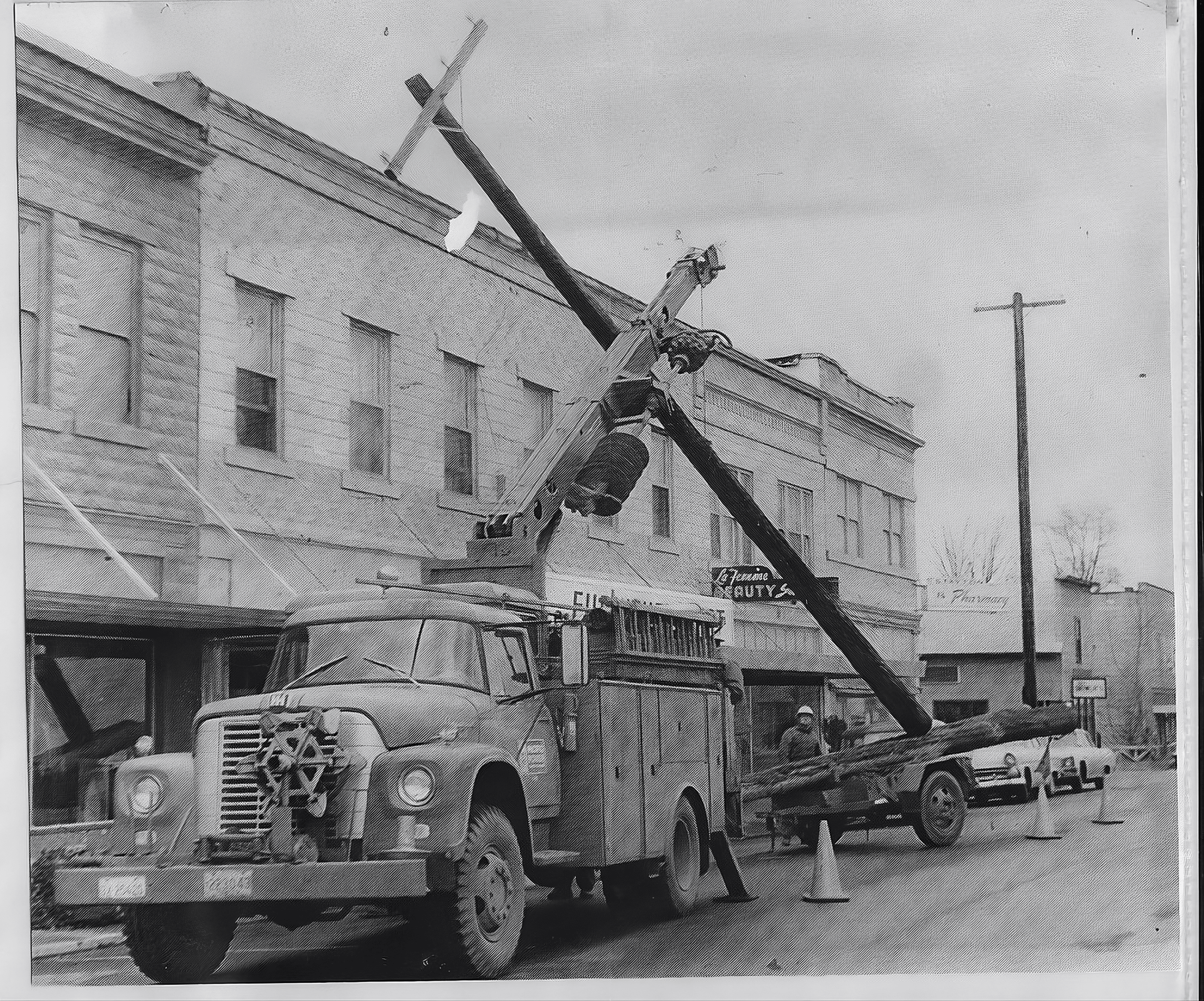
As the 20th century progressed, downtown Stayton continued to adapt. The same buildings that once house, general stores and gathering spaces began to serve new purposes. With the arrival of automobiles, garages and service shops became part of the streetscape, and buildings like the Deidrich transitioned to meet new demands.
Downtown didn’t start over it adjusted. Each generation reshaped the same structures, adding new layers to a town that was already built to last.
When fire did impact parts of downtown in the 1920s, it reinforced the value of more permanent construction.
A LIVING DOWNTOWN
More than a century later, much of this history remains visible in downtown Stayton. The same streets, building forms, and storefronts continue to shape daily life, even as businesses and uses evolve.
What began as a river-powered settlement, then a growing commercial center, is still in use today – not preserved behind glass, but lived in. Each generation has adapted these buildings to meet new needs, adding to a story that never truly stopped.
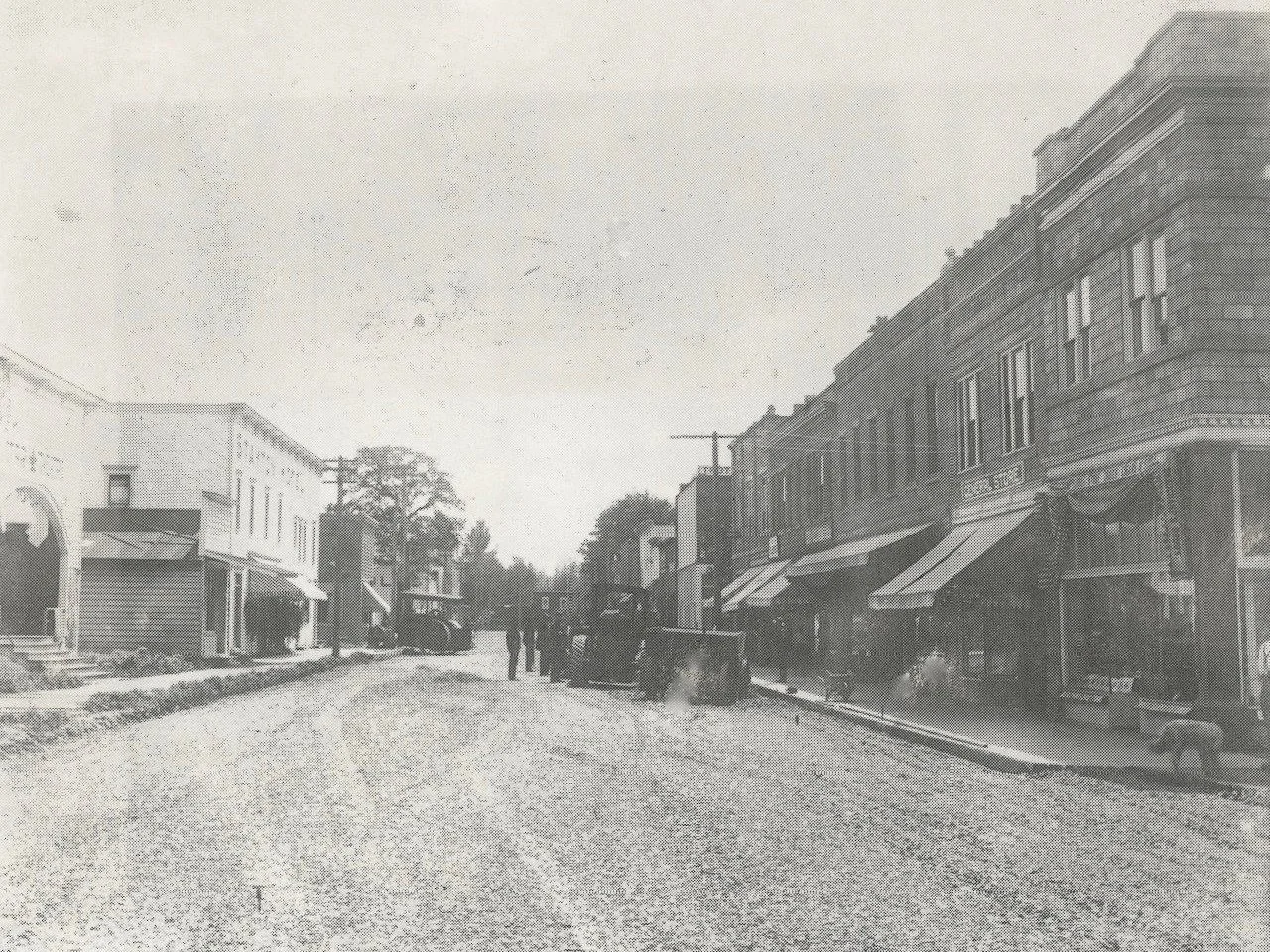
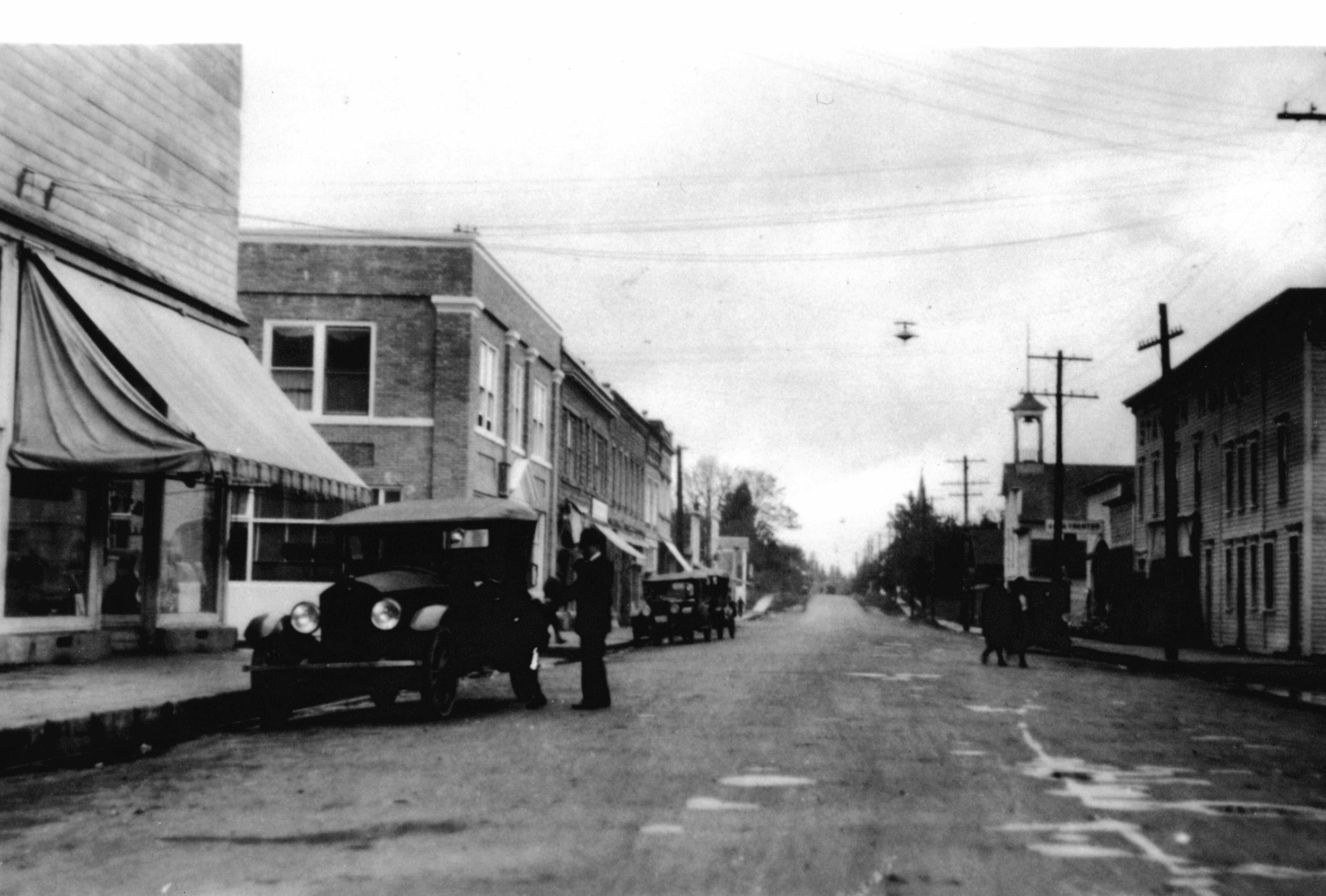
3rd Avenue looking south, showing the early concrete block buildings that reshaped downtown Stayton.
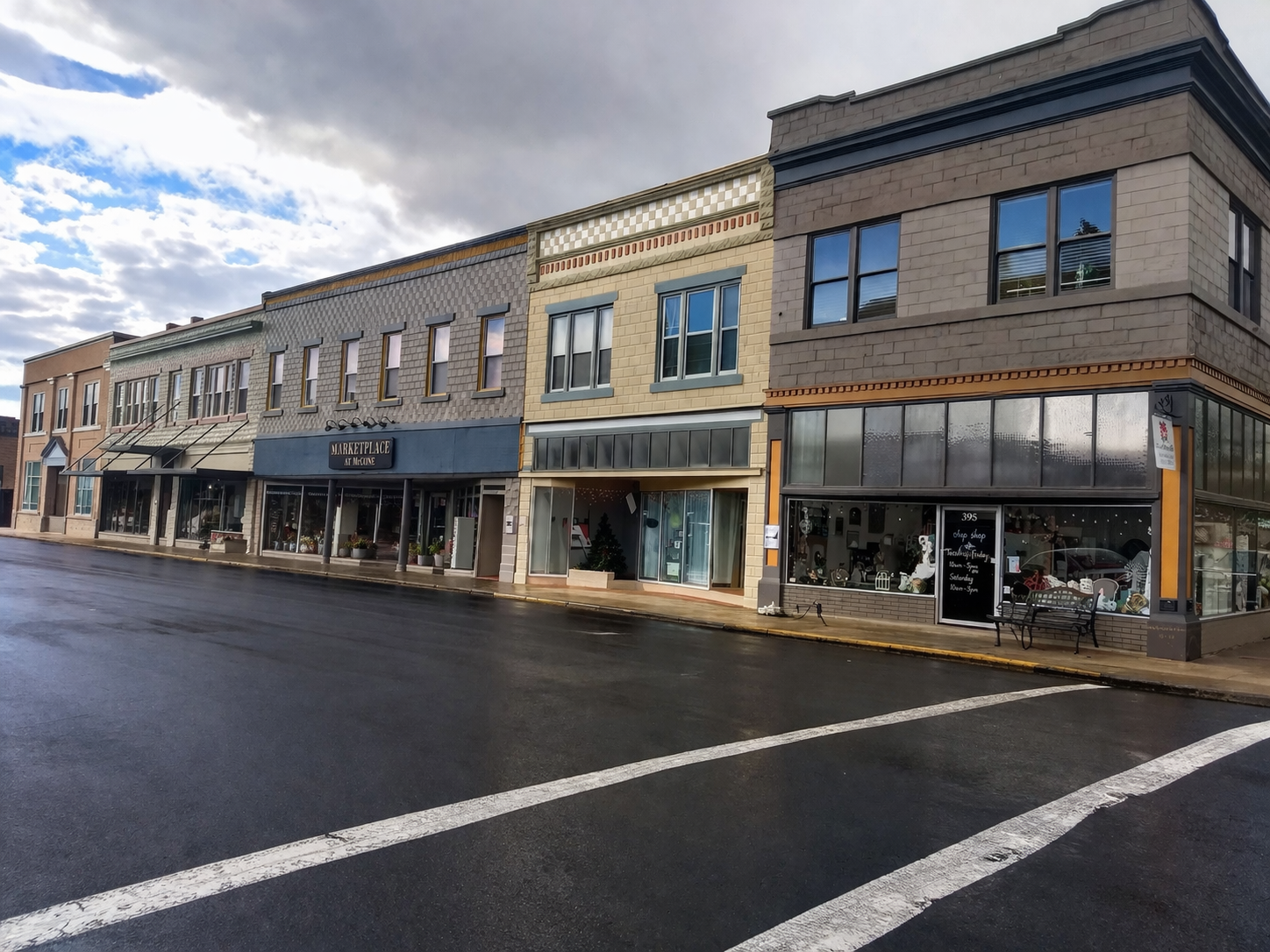
3rd Avenue today, where the same buildings continue to serve the community.